A+ Junk N Tow Cash For Junk Cars

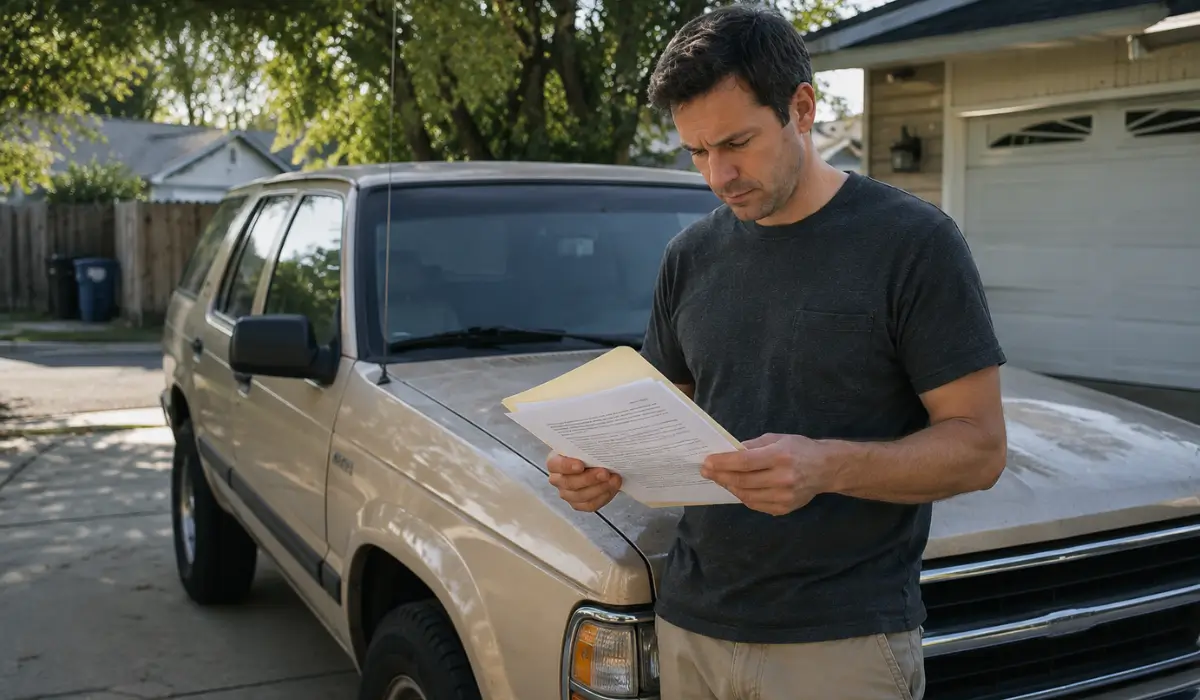
Car You Inherited owner reviewing vehicle paperwork beside an older SUV at home

What to Do With a Car You Inherited That You Don’t Want

An unwanted car you inherited can usually be sold, transferred, donated, or removed once ownership is properly established. For LaGrange families, the first step is confirming who has legal authority, then deciding whether the vehicle is worth keeping, selling, or removing.

A+ Junk n Tow Cash For Junk Cars regularly works with families facing these situations. Families can also review vehicle buying services and see how the process works throughout Illinois.

Some inherited vehicles still run well, while others have been parked for years. In many situations, the vehicle becomes only one part of a larger estate process involving paperwork, family decisions, property concerns, and financial responsibilities.

The goal is not simply speed. Families need a decision that respects the estate, protects everyone involved, and avoids unnecessary expenses that can build over time.

Quick Answer

In Illinois, an inherited vehicle can usually be sold, transferred, donated, or removed once the person handling it has the authority to do so. Families should confirm ownership documents, determine whether probate applies, review repair and storage costs, and then choose the option that best supports the estate.

Common Situations After a Car You Inherited

Inherited vehicles often become more complicated than people initially expect because they combine financial responsibilities with emotional decisions. The vehicle may represent important memories, but it also becomes part of an estate that must be handled correctly.

Relatives frequently delay making a decision because emotions are still fresh. During that period, the vehicle may remain unused while insurance, maintenance, storage, or property-related concerns continue to exist.

Several situations appear repeatedly when families begin reviewing inherited vehicles:

  • The vehicle does not run
  • The vehicle is no longer safe to drive
  • The title cannot be located
  • Multiple heirs are involved
  • Storage space is limited
  • Repairs exceed the vehicle’s value

Once the family understands what is creating the delay, identifying the most practical path forward becomes much easier.

When the Vehicle No Longer Runs

A vehicle that no longer runs or is no longer safe to drive often creates urgency because transportation value disappears while ownership responsibilities remain. Families may find themselves managing a vehicle they cannot use safely while trying to address other estate obligations.

What we often see is a vehicle that has been parked for months or even years before estate discussions begin. During that time, batteries fail, tires deteriorate, fluids age, and repair costs can increase significantly.

A practical review should include:

  • Current condition
  • Repair estimates
  • Towing needs
  • Vehicle age
  • Local market demand

A vehicle requiring multiple major repairs may be worth considerably less than expected. Understanding the repair picture early helps families avoid investing money into a vehicle that may never provide a reasonable return.

Readers facing a similar situation may find useful information in our guide about a car that won’t run. The article explains how condition affects value and why non-running vehicles can still present practical options.

When Storage Becomes a Growing Concern

Storage concerns can affect both the property and the estate process. Several situations commonly create additional pressure for families:

  • Garage space may be needed for contractors or home preparation.
  • Driveways can become crowded during estate cleanouts.
  • Homeowner association rules may create compliance concerns.
  • Long outdoor storage can accelerate deterioration.

These situations often become more expensive over time. Resolving the vehicle decision early can help families focus on other estate responsibilities.

When Vehicle Paperwork Cannot Be Found

Missing paperwork is one of the most common reasons inherited vehicles remain untouched. A title may be misplaced, registration documents may be outdated, or ownership records may not be readily available when estate administration begins.

Missing paperwork does not always stop the process entirely, but it often changes which records must be gathered first. Clarifying ownership documentation early can prevent delays later when a sale, transfer, or removal becomes necessary.

Typical paperwork challenges include:

  • Missing title
  • Incomplete registration
  • Ownership questions
  • Estate documentation delays
  • Multiple family decision makers

The most helpful starting point is identifying who has legal authority to act on behalf of the estate. Once that question is answered, many documentation issues become easier to resolve.

Can You Sell or Junk a Car You Inherited in Illinois?

Illinois generally allows inherited vehicles to be sold, transferred, or removed once ownership requirements have been satisfied. The exact process depends on the estate, title status, available documentation, and whether probate applies.

Some estates move through the process quickly because records are organized and authority is clear. Others require additional review before any vehicle transaction can move forward.

Situation Likely Requirement Next Step
Title available Ownership verification Transfer for sale
Probate active Estate authority Executor review
Title missing Additional documentation Replacement process
Multiple heirs Agreement among parties Shared decision

The Illinois Secretary of State provides ownership and title information through its vehicle title services.

These requirements help prevent ownership disputes and unauthorized transfers. Verifying documentation early often saves time and reduces confusion later in the process.

Documents Families Commonly Need for an Inherited Vehicle

The required records depend on who owned the vehicle, whether probate applies, and whether the title is available. Some families already have the necessary paperwork organized, while others need additional time to gather records.

Commonly requested documents include:

  • Vehicle title
  • Death certificate
  • Government-issued identification
  • Small estate affidavit
  • Executor documentation
  • Registration paperwork

Illinois probate guidance is also available through Illinois probate resources.

Many estate vehicle delays occur because people assume authority exists before it has been formally documented. Confirming authority early often prevents unnecessary complications later.

Ownership and Probate Considerations

A vehicle can be physically ready for sale while still requiring legal review. Many families discover that a car you inherited may have clear mechanical value, while ownership documentation still requires attention.

The gap between physical possession and legal authority is where many relatives become uncertain. Possessing a vehicle does not automatically provide the right to sell, transfer, or remove it.

Someone attempting to sell deceased relative’s car may assume possession alone is sufficient. Estate law and ownership documentation often require additional proof before a transaction can proceed.

In some situations, a probate vehicle cannot be transferred until additional estate documents have been reviewed. Executor authority or court documentation may be necessary before ownership changes can occur. 

Estate decisions often involve title transfer requirements, executor authority, heir agreement, and overall vehicle disposition planning. Understanding those responsibilities helps families move forward with greater confidence.

When Additional Estate Documentation May Be Needed

Some inherited vehicle situations require documentation that connects the estate to the individual making decisions. Those records help establish authority and create a clear path toward transfer, sale, or removal.

Common examples include:

  • Death certificates
  • Small estate affidavits
  • Probate court records
  • Executor authorization

Families should not feel discouraged when additional paperwork becomes necessary. What appears complicated initially often becomes manageable once the required records have been identified.

What we often see is that ownership questions sound more difficult than they actually are. Once the proper documents are gathered, the next steps usually become much easier to understand and complete.

When a Car You Inherited Should Be Kept, Sold, or Removed

The best decision depends on how the vehicle fits into the family’s future plans. Keeping the vehicle may make sense when it remains useful and affordable, while selling or removing it may be more practical when costs continue to increase.

Many families initially focus on emotional attachment because the vehicle belonged to someone important. While those feelings are understandable, financial and practical considerations also deserve careful attention.

Factors worth reviewing include:

  • Repair costs
  • Insurance expenses
  • Storage needs
  • Safety concerns
  • Family interest
  • Market demand
  • Estate timelines

Sentimental Value Versus Practical Value

Vehicles often carry decades of family history. A sedan may remind relatives of vacations, school activities, and everyday life, while a truck may represent years of work, traditions, and personal memories.

Those memories matter because they connect families to people and experiences that remain important long after ownership changes. A vehicle can hold emotional significance even when it no longer makes practical sense to keep.

Our view is simple: families should not have to choose between honoring a loved one’s memory and making a practical estate decision. The memories stay with the family regardless of what ultimately happens to the vehicle.

Practical ownership responsibilities continue after inheritance. Insurance premiums, maintenance expenses, registration costs, and repair bills remain ongoing obligations that deserve honest consideration.

Repair Costs Versus Market Value

Repair costs often become the deciding factor when families evaluate an inherited vehicle. A vehicle may appear valuable initially, but the financial picture can change quickly once repair estimates begin to arrive. Understanding the actual cost of ownership helps families make decisions based on facts rather than assumptions.

Mechanical issues such as brake repairs, suspension work, engine problems, electrical faults, and emissions failures can significantly affect value. Insurance expenses should also be considered because a vehicle that requires repairs while continuing to generate monthly costs can place additional pressure on the estate. Looking at both repair expenses and ongoing ownership costs usually provides a clearer understanding of the vehicle’s practical value.

Several factors can help families compare a vehicle with lower ownership costs against one that may create additional financial risk.

Vehicles with lower ownership costs often include:

  • Minor repair needs
  • Strong local demand
  • Limited time investment
  • Higher resale potential

Vehicles with greater financial risk often include:

  • Extensive mechanical problems
  • Lower buyer demand
  • Significant repair expenses
  • Continuing estate costs

Comparing these factors often helps families decide whether repairing, selling, or removing the vehicle makes the most sense. The final decision should support the goals of the estate while balancing emotional considerations with financial realities.

Realistic LaGrange Estate Scenario

A daughter in LaGrange inherits her father’s sedan after it has remained parked in the garage for nearly two years. The vehicle still carries emotional value, but it needs tires, a battery, and brake repairs before it can safely return to the road.

Rather than rushing into a decision, the family reviews ownership records, compares repair costs against market value, and evaluates whether keeping the vehicle still supports the estate’s goals.

Local Demand and Timing Matter

Vehicle value can change even when the vehicle itself has not changed. Market conditions, local demand, parts availability, and seasonal trends can all influence how much interest a vehicle receives.

An older pickup truck may attract buyers because of strong demand, while a heavily damaged sedan may generate less interest. Understanding local conditions provides helpful context when evaluating available options.

For readers comparing regional pricing trends, our article about cash offers in Bellwood provides additional insight into local market conditions.

Readers interested in local pricing trends may also find useful information in our guide about most cash in LaGrange.

Common issues caused by extended storage include:

  • Battery failure
  • Tire deterioration
  • Weather damage
  • Increased storage expenses
  • Reduced buyer interest

Delaying a decision for several months can increase ownership costs while reducing flexibility. Reviewing available options sooner often provides a clearer path forward.

Why the Highest Offer Is Not Always the Best Choice

The highest number is not always the best outcome for an estate. A larger offer may require additional time, repairs, advertising, buyer meetings, or paperwork before the transaction can be completed.

Private sales can work well in some situations, particularly when a vehicle remains in good condition and demand is strong. However, a private sale also requires additional effort that some families may not wish to manage during an estate process.

A simpler option may save time, reduce estate delays, and eliminate additional family decisions that come with a private sale.

A+ Junk n Tow Cash for Junk Cars regularly speaks with families who initially planned to sell privately but later decided that convenience, timing, and certainty were equally important considerations.

The right decision depends on the goals of the estate rather than a single number. In many real cases, a car you inherited becomes easier to evaluate once repair costs, storage expenses, and family priorities are reviewed together.

How We Help Families With Inherited Vehicle Decisions

Estate vehicle situations work best when the process remains calm, documented, and respectful. People are often balancing multiple responsibilities while trying to determine what should happen to a vehicle they did not expect to own.

A+ Junk N Tow Cash for Junk Cars regularly assists families facing these circumstances throughout the area. Every situation is different, which is why clear information and realistic expectations are important from the beginning.

Families who are ready to evaluate their options can receive a same-day quote in many situations. Our approach focuses on respectful communication, clear information, and practical solutions that fit the circumstances of the estate.

Professional Note: We do not provide legal advice. We do help families identify ownership questions, documentation concerns, and vehicle-related issues that may need attention before a sale, transfer, or removal can move forward.

A practical review often includes:

  • Vehicle condition
  • Ownership status
  • Location
  • Pickup access
  • Estate timelines
  • Documentation requirements

Estate Property and Pickup Situations

Inherited vehicles are frequently located at properties where larger estate-related work is already taking place. Homes may be preparing for sale, undergoing repairs, or being cleared as part of an estate settlement.

We can arrange free pickup from many estate properties, storage lots, residential locations, and other approved vehicle locations. This helps families avoid additional transportation concerns while managing estate responsibilities.

Common vehicle locations include:

  • Family homes
  • Estate properties
  • Assisted living residences
  • Storage facilities
  • Vacant properties

Each location presents different logistical considerations. Understanding those details early can make the overall process smoother.

When Title Questions Delay Decisions

Title concerns are among the most common reasons people postpone action. A missing title, ownership discrepancy, or incomplete record can create uncertainty even when the vehicle’s condition is clear.

A common situation involves families assuming that missing paperwork eliminates all available options. In reality, documentation questions simply need to be addressed before decisions move forward.

Vehicle condition and ownership status should be viewed separately. A damaged vehicle may still have value, while a vehicle with complete paperwork may still require estate review before a transaction can proceed.

For readers interested in our experience and process, our trusted junk car buyer page provides additional information.

Local Experience and Customer Trust

Trust becomes especially important when a vehicle is connected to a family loss. People want realistic information, transparent communication, and a process that respects their circumstances.

Prospective sellers often review previous customer experiences before deciding how to proceed. Our customer review stories provide examples of real situations involving vehicle sales and removals.

Clear communication often matters just as much as the transaction itself. Families benefit from understanding what happens next before making a final decision.

Environmental Benefits of Vehicle Recycling

An inherited vehicle that no longer serves a practical purpose can still provide environmental value through responsible recycling. Many vehicle components remain useful even when the vehicle itself is no longer needed.

The Environmental Protection Agency provides additional information through its sustainable materials management resources.

Vehicle recycling may contribute to:

  • Metal recovery
  • Parts reuse
  • Reduced landfill waste
  • Resource conservation
  • Manufacturing support

Responsible recycling can also reduce the demand for newly manufactured raw materials, creating benefits that extend beyond a single vehicle transaction.

Questions LaGrange Families Ask About Inherited Vehicles

Inherited vehicle questions often come from uncertainty about ownership documents, probate requirements, and the next steps. Clear answers help families move forward with confidence while reducing confusion during the estate process.

Some concerns involve title transfer requirements, while others relate to probate, ownership authority, or vehicle condition. Additional answers can be found in our common vehicle FAQs.

Yes. Many inherited vehicles can be sold or removed once ownership authority has been verified. The person arranging the transaction should have the proper documentation before transfer or pickup occurs.

Some situations require title-related steps before a vehicle transaction can occur. Other situations may move forward once ownership documentation has been reviewed.

A vehicle may still be considered part of the estate even when it is not specifically referenced in the will. Ownership authority is typically determined through the broader estate administration process.

Yes. Damaged vehicles may still qualify for recycling, parts recovery, or purchase opportunities depending on condition and market demand.

Some families prefer a straightforward transaction that resolves ownership concerns and vehicle removal once documentation has been reviewed.

Others may choose to keep the vehicle, transfer ownership, or explore private sale opportunities. The best option usually depends on the goals of the estate and the condition of the vehicle.

Estate Vehicle Decision Checklist

Before making a final decision, families often benefit from reviewing several practical questions. A structured review helps identify concerns that might otherwise be overlooked.

Question Why It Matters
Who has authority to act? Prevents ownership disputes and delays
Does the title exist? Helps determine the documentation path
Is the vehicle worth repairing? Prevents unnecessary spending
Is the vehicle delaying estate plans? Helps prioritize timing
Do all heirs agree? Reduces conflict and confusion

Working through these questions helps families evaluate options based on facts, responsibilities, and estate goals rather than assumptions.

Making the Right Next Decision

Most inherited vehicle decisions become easier once families focus on ownership requirements, ongoing costs, and practical needs rather than uncertainty.

A vehicle that remains useful and affordable may deserve a place in the family’s future plans. A vehicle that creates ongoing expenses, requires major repairs, or no longer serves a purpose may be better suited for sale, donation, recycling, or removal.

The most effective decisions balance emotional considerations with financial realities. Looking at both sides of the situation helps families make choices they feel comfortable with long term.

Ready to Resolve an Inherited Vehicle Situation?

An inherited vehicle should not become an ongoing burden for a family. Storage costs, ownership questions, and repair expenses can continue creating stress long after the estate process begins.

As A+ Junk n Tow Cash for Junk Cars, we help LaGrange families evaluate a Car You Inherited and understand the available options. Families can review our LaGrange vehicle services to learn whether local assistance is available.

Skip to content